
When it comes to hanging artwork or mirrors, many professional installers have a toolkit full of hardware options — and one small but mighty piece of equipment often found in that kit is the L‑screw. Though simple in design, L‑screws offer strength, stability, and versatility, making them a go‑to choice for a variety of art installation scenarios.
In this article, we’ll explain what L‑screws are, how they’re used in picture hanging, and why they might be the perfect solution for your next installation.
What is an L‑Screw?
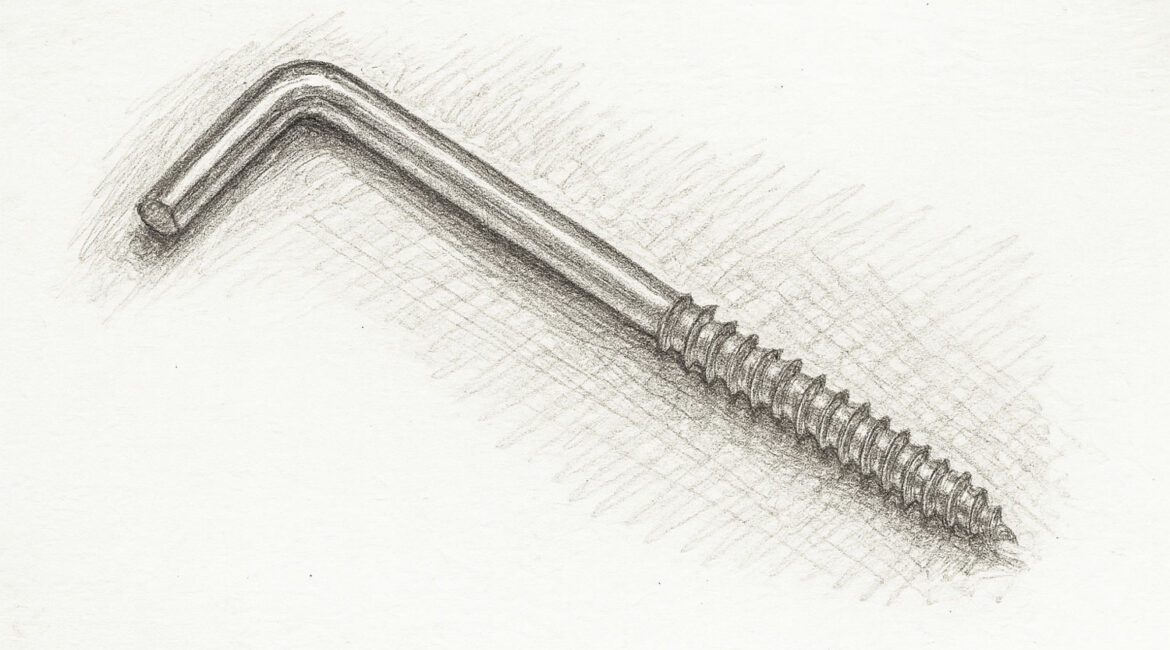
An L‑screw is a type of screw with a 90-degree bend at the end, creating an “L” shape.
- The threaded portion anchors securely into the wall.
- The protruding bent section provides a sturdy hook-like support for hanging wires, D‑rings, or cleats.
They are typically made of steel or other high-strength metals, and are available in various lengths and diameters to suit different wall materials and load requirements.
Why Professionals Use L‑Screws for Art Installation
While there are many ways to hang a picture, L‑screws offer several benefits that make them a professional favorite:
- Strong and Secure
Unlike small nails or lightweight hooks, an L‑screw penetrates deeper into the wall, providing a stable anchor point that can safely hold heavy or oversized pieces when used with proper wall anchors or studs. - Reduced Damage to Artwork
Because the bent end offers a smooth support point, it reduces friction and wear on hanging wires or D‑rings, protecting the frame over time. - Versatility
L‑screws can be used on drywall, plaster, masonry, or wood surfaces, making them suitable for residential homes, galleries, and commercial spaces alike. - Low Profile
Once installed, only the small “L” portion is visible behind the artwork, keeping the focus on the piece itself rather than the hardware.
Common Uses for L‑Screws in Picture Hanging
- Framed Paintings & Prints – Used with hanging wire for easy adjustments.
- Mirrors – Provide strong support for heavy glass when anchored properly.
- Shadow Boxes – Distribute weight evenly for stability.
- Sculptural Wall Art – Hold irregular or three-dimensional pieces securely.
- Gallery Displays – Allow quick swapping of pieces without major reinstallation.
Installation Tips for L‑Screws
- Choose the Right Size
Select an L‑screw long enough to penetrate deeply into the wall or anchor for maximum strength. - Locate Studs or Use Heavy-Duty Anchors
For heavy artwork, screw directly into studs. If studs aren’t available, use wall anchors rated for your piece’s weight. - Pre-Drill the Hole
This prevents splitting in wood and makes driving the screw easier. - Angle for Stability
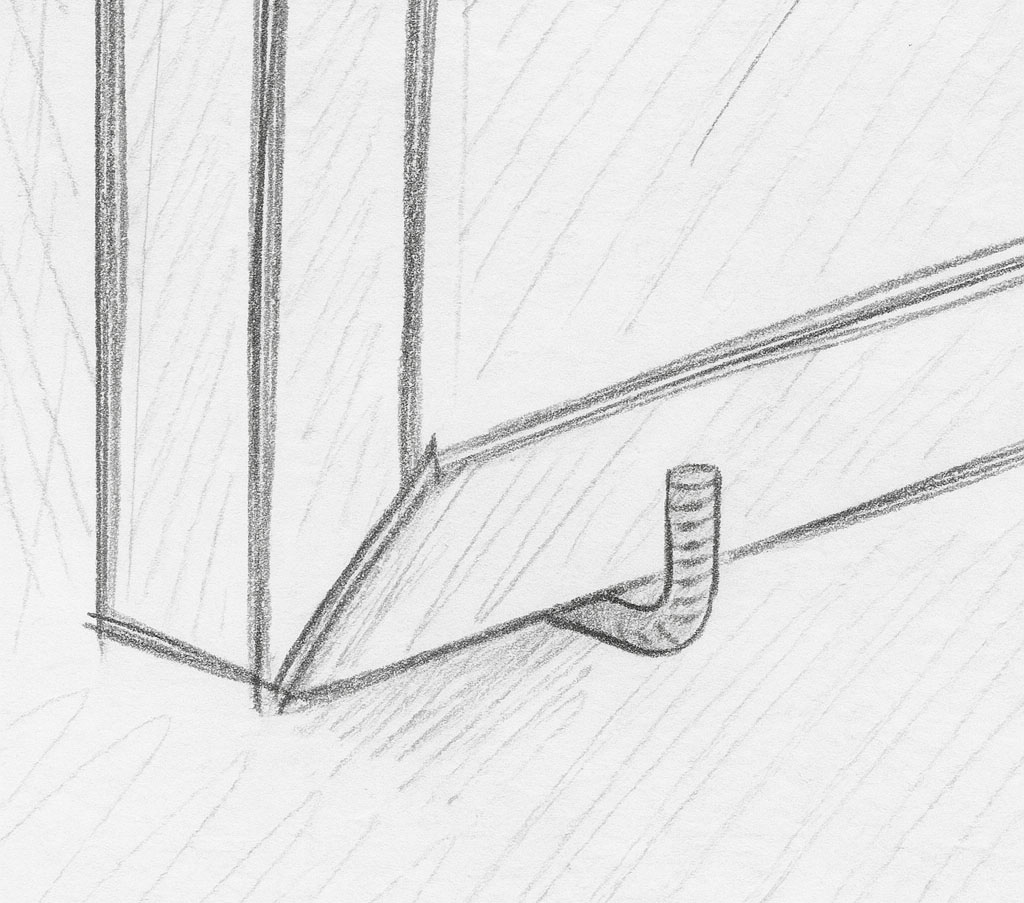
Install the L‑screw so the bent portion faces upward slightly — this helps prevent the hanging wire from slipping.
L-Screws vs. Other Hanging Hardware
| Method | Pros | Cons |
|---|---|---|
| L-screws | Strong, inexpensive, easy to install | Visible hardware, less adjustable |
| D-rings & Wire | Quick, flexible positioning | Not ideal for very heavy items |
| French Cleat | Very strong, reusable, adjustable | Requires precise installation |
When to Hire a Professional
While installing L-screws can be a straightforward DIY project, there are times when professional help is worth it:
You’re hanging oversized or valuable artwork.
The wall surface is plaster, brick, or concrete.
You’re creating a multi-piece gallery layout that must align perfectly.
A professional art installer can ensure your pieces are secure, level, and positioned perfectly — all without risking damage to walls or frames.
Final Thoughts
L-screws may not be flashy, but their strength, reliability, and adaptability make them an essential part of professional picture hanging and art installation. Whether you’re displaying a family portrait, a heavy antique mirror, or a rotating gallery collection, L-screws can help keep your art exactly where it belongs — safe, stable, and beautifully presented.