
When it comes to mounting heavy artwork, mirrors, or shelves, you want a method that’s strong, safe, and easy to adjust. One of the most reliable solutions used by professional installers is the French cleat system — a centuries-old technique that has stood the test of time.
In this article, we’ll explain what French cleats are, how they work, and why they might be the best choice for your next hanging project.
What is a French Cleat?
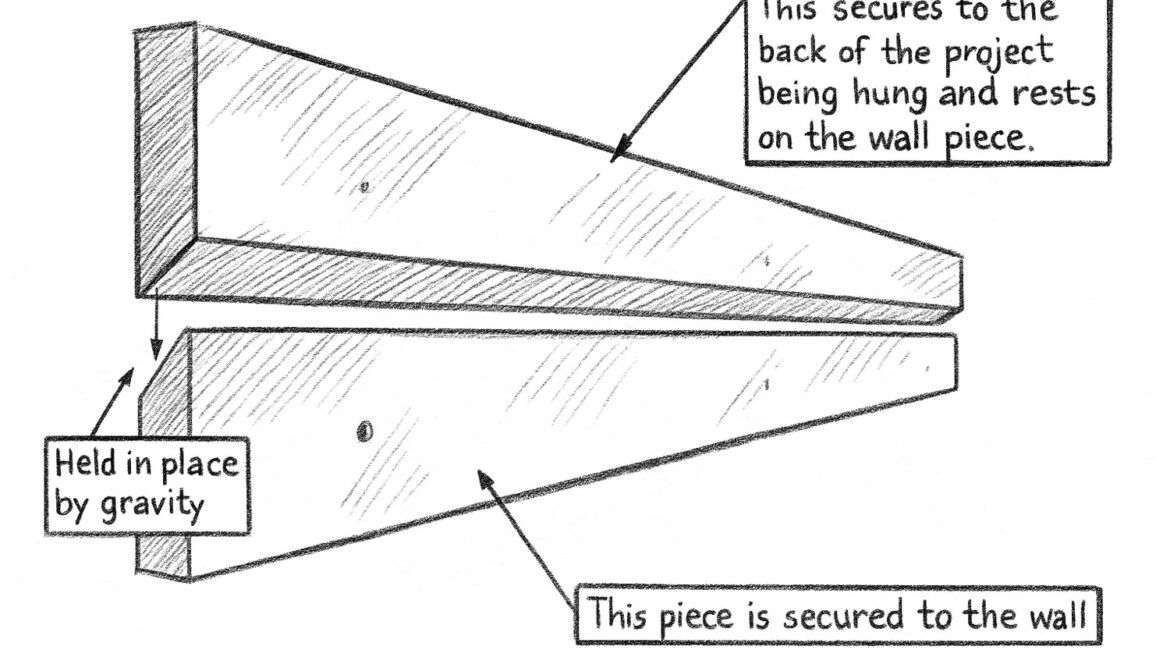
A French cleat is a simple but clever hanging method made from two interlocking pieces — usually wood or metal — cut at a 45° angle.
- One piece is securely fastened to the wall.
- The other piece is attached to the item you want to hang.
When the two pieces slide together, the angled cut creates a strong grip that distributes weight evenly across the mounting surface.
Why Professionals Love French Cleats
French cleats aren’t just popular among woodworkers and cabinet makers — professional art installers rely on them too. Here’s why:
1. Exceptional Weight Support
Because the weight is spread across the full length of the cleat, this method can safely hold very heavy pieces — far more than a few nails or a single hook.
2. Perfectly Level Installation
Once the wall cleat is level, anything hung on it will be level too — even large mirrors or multi-panel artworks.
3. Easy Removal and Adjustment
Need to reposition a painting slightly to the left? Just slide it along the cleat. Want to swap out a piece? Lift it off — no extra drilling required.
4. Versatility
French cleats can be used on drywall, plaster, brick, or concrete walls, making them ideal for both modern apartments and historic buildings.
Common Uses for French Cleats
- Large framed paintings and mirrors
- Cabinets and floating shelves
- Acoustic panels in studios or theaters
- Wall-mounted headboards in bedrooms
- Gallery wall systems for rotating displays
Installation Tips for French Cleats
If you’re a DIYer, installing French cleats is straightforward — but precision is key.
- Choose the Right Material – Hardwood or high-quality plywood works best for wooden cleats; for sleek, low-profile setups, choose aluminum cleats.
- Measure Twice, Cut Once – Ensure the 45° cut is clean and consistent so the two halves interlock perfectly.
- Use Proper Anchoring – For drywall, screw into studs or use heavy-duty wall anchors. On masonry, use masonry screws or expansion anchors.
- Level the Wall Cleat – This step determines the final alignment of your piece — take your time.
French Cleats vs. Other Hanging Methods
| Method | Pros | Cons |
|---|---|---|
| French Cleat | Extremely strong, adjustable, reusable | Requires precise installation |
| D-rings & Wire | Quick, inexpensive | Not ideal for heavy items |
| Z-clips | Slim profile, secure | Less adjustable once installed |
| Direct Screws | Very secure | Leaves visible hardware |
When to Call a Professional
While French cleats are DIY-friendly, certain situations benefit from professional installation:
- Large or valuable artwork
- Irregular wall surfaces (stone, plaster, brick)
- Multi-panel or modular displays
Professional installers ensure your piece is secure, perfectly aligned, and mounted without wall damage — which is especially important for high-value art.
Final Thoughts
French cleats combine strength, precision, and flexibility, making them one of the best hanging methods for heavy or valuable pieces. Whether you’re mounting a cabinet in your workshop or installing a statement mirror in your living room, a properly installed French cleat ensures your item is safe, stable, and perfectly level.
If you’re in New York City, Connecticut, New Jersey or Hamptons and need help installing artwork, mirrors, or shelving, Art Install Pros offer professional French cleat installation with attention to detail and the right hardware for every wall type.